In late July 2018, severe flooding affected Kerala state in India due to unusually high rainfall during the monsoon season. Kerala’s worst floods in nearly a century,[2] over 350 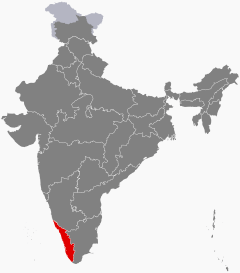 people died within a fortnight, while at least 8,00,000[3] were displaced and all 14 districts of the state, were placed on high alert.35 out of the 42 dams within the state were opened for the first time in history and all five overflow gates of the Idukki Dam were opened at the same time after a gap of 26 years.[6] Heavy rains in Wayanad and Idukki has left the hilly district isolated.
Causes
Kerala received heavy monsoon rainfall on the mid evening of August 8 resulting in dams filling to capacity; in the first 24 hours of rainfall the state received 310 mm (12 in) of rain. Almost all dams have been opened since the water level has risen close to overflow level due to heavy rainfall, flooding local low-lying areas. For the first time in the state’s history, 35 of its 42 dams have been opened.
Most of the regions affected by this monsoon were classified as ecologically-sensitive zones (ESZs) by the the Western Ghats Ecology Expert Panel, the Gadgil Committee. Most of the recommendations and directions by the commitee was either neglected or rejected. Chairman of the committee Madhav Gadgil accused the state government and its irresponsible environmental policy for the recent landslides and floods. He called it a “man-made calamity”.
Impact
A state official told AFP that 370 people have died, while the The Economic Times in India has reported that 33,000 people has been rescued. The Kerala State Disaster Management Authority has placed the state in a red alert as a result of the intense flooding. A number of water treatment plants were forced to cease pumping water, resulting in poor access to clean water, especially in northern districts of the region. 4,000 relief camps have been opened at various locations to accommodate the flood victims. about 8,00,00 people has been found their shelter in various relief camps .The flooding has affected hundreds of villages, destroyed an estimated 10,000 km of roads and thousands of homes have been damaged or destroyed. The flood affected the areas like Aluva, Chenganur, Pandanad, Aranmula, Chalakkudy, Paravoor very badly causing many people homeless. The state government operated control rooms 24*7 in different centres to co-ordinate and rescue the affected people, who has been trapped/displaced in different locations.
Rescue
There have been 52 rescue teams of central forces including units of the Indian Army and the Indian Navy assisting the civilian administration in rescue work and restoration. In addition to the 10 teams of the National Disaster Response Force, four additional teams were airlifted from Guntur and Arakkonam to assist the Ernakulam district administration. The Centre reached out to Kerala, offering a helping hand to tackle the situation. Union Minister for Home Affairs Rajnath Singh conducted an aerial survey of Idukki and Ernakulam districts along with Chief Minister Pinarayi Vijayan.
Fisherman from Thiruvananthapuram and Kollam districts takes part in the rescue operations with their boats and rescued several who were trapped in their homes amid rising waters at a time. Kerala Government calls the fishermen as “Coastal warriors ” of Kerala and announced financial aid for their support and effort in the rescue mission
Mananthavady and Vythiri in the hilly Wayanad district have been totally cut-off, with roads washed away. The major roads in the affected areas were drowned under water and remain closed causes serious trouble in transporting relief aids.
According to the latest official figures, more than 800,000 people have been lodged in over 4,000 relief camps across 14 districts. On August 19, the state’s Chief Minister Pinarayi Vijayan vowed “to save even the last person stranded.”

 Priyanshu's blog